What Nobody Tells You About College Football 2026
College Football in 2026 is a larger, longer, and more data-driven sports market than many casual fans realize. Football Compass tracks the sport from a global fan perspective, especially for readers....

What Nobody Tells You About College Football 2026
College Football in 2026 is a larger, longer, and more data-driven sports market than many casual fans realize. Football Compass tracks the sport from a global fan perspective, especially for readers who also follow the 2026 FIFA World Cup, where scheduling, tactics, player workload, and prediction models matter in similar ways. The 2026 college football season opens across late August and early September, runs through 15 regular-season weeks, and feeds into bowl season from December into January. ESPN lists Week 1 from August 22 to September 7, while the NCAA places the CFP National Championship on January 25, 2027, at Allegiant Stadium in Las Vegas. The key takeaway is simple: follow conference schedules, roster movement, and playoff positioning early, not only in November, because the 2026 market rewards preparation.
Want a sharper way to follow the season from week one?
Photo by El gringo photo on Pexels
Before 2025: how college football worked?
Before 2025, college football worked through regional identity, conference schedules, weekly rankings, bowl invitations, and a smaller playoff mindset. The Football Bowl Subdivision, known as FBS, sat at the top of NCAA competition, while FCS and lower divisions kept separate championship paths.
The old rhythm was familiar. Saturdays carried the product. Rivalry games shaped late November. The Associated Press poll, Coaches Poll, NCAA rankings pages, and ESPN schedule grids gave fans a weekly map of movement. According to Wikipedia, college football is the college version of American and Canadian gridiron football, and its identity has always mixed school tradition with national media attention. Have you ever thought about why a September nonconference game can still affect a December playoff argument? The answer sits in strength of schedule, television exposure, and conference perception. A 12-game regular season gave every result weight, especially for schools in the SEC, Big Ten, Big 12, ACC, Mountain West, and American Athletic Conference. college football rankings explained
The betting and media environment also matured before 2025. Legal sportsbooks in regulated U.S. jurisdictions priced moneylines, point spreads, totals, futures, and player-adjacent markets where rules allowed. ESPN’s public schedule format showed matchups, kickoff times, TV networks, ticket ranges, stadiums, weather fields, and odds providers in one interface. That changed reader behavior. Fans stopped viewing the schedule as a static fixture list and started reading it as a market board. Football Compass sees the same pattern in World Cup coverage: the smartest readers compare team news, venue conditions, travel, tactical fit, and market movement before making any conclusion.
The 2026 shift
The 2026 shift is about volume, visibility, and timing. The season stretches from late August 2026 through the College Football Playoff window ending January 25, 2027, creating a five-month cycle of rankings, injuries, transfers, odds movement, and television inventory.
The opening calendar already shows the new reality. ESPN’s 2026 schedule page lists Week 1 from August 22 to September 7, Week 15 from December 7 to 12, bowl season from December 13 to January 27, and the CFP window from December 18 to January 27. That means College Football is no longer just a fall product. It is a late-summer launch, autumn ratings engine, holiday betting board, and January championship property. One listed opener sends North Carolina and TCU to Aviva Stadium in Dublin, Ireland, with TCU shown as a 6.5-point favorite and a 49.5 total. That single line tells a bigger story: college football is exporting marquee inventory beyond U.S. campuses.
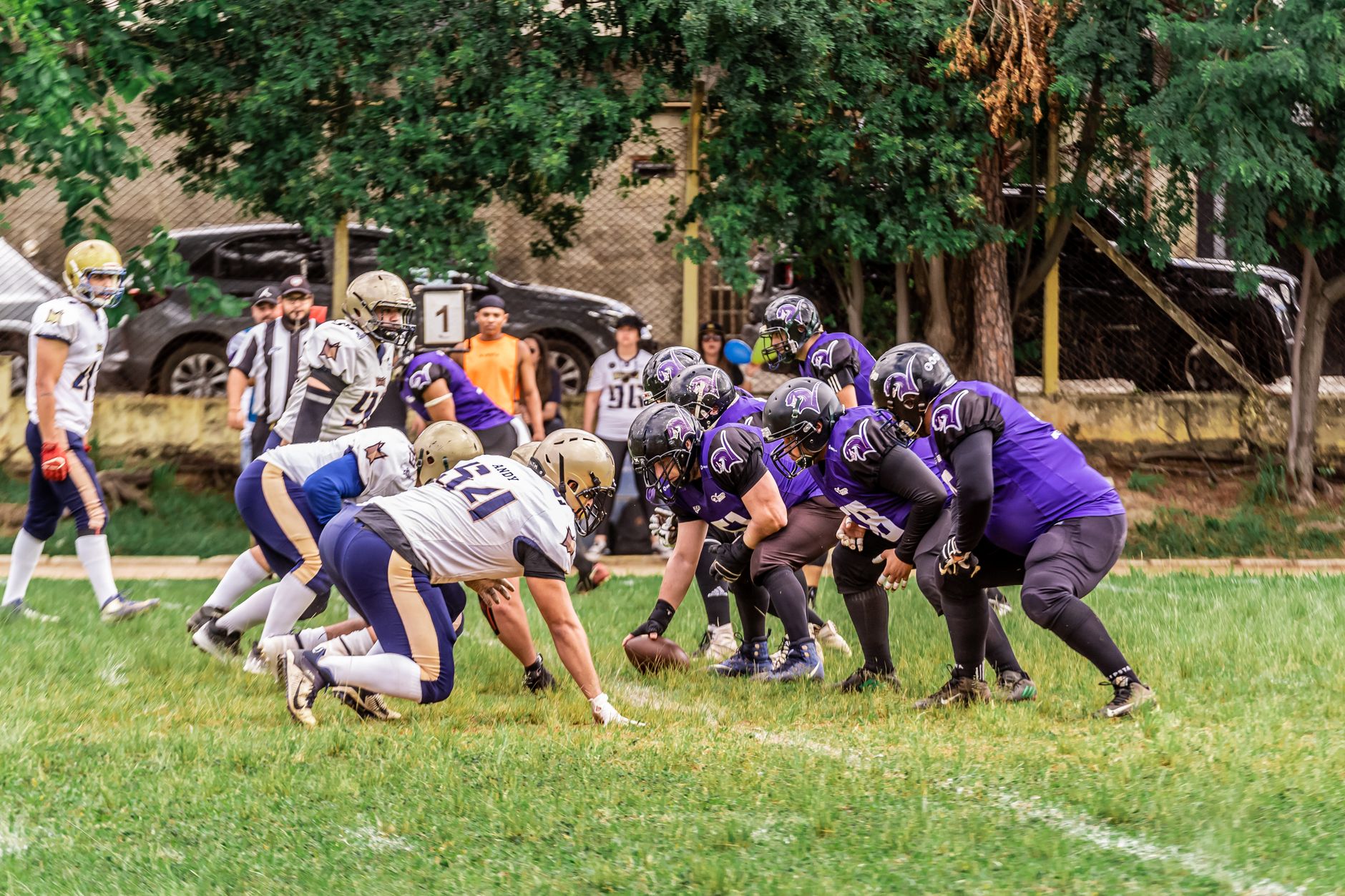
Photo by SAULO LEITE on Pexels
The second underreported shift is operational. Fans often ask why early-season lines move sharply after opening numbers appear. One reason is roster confirmation. In 2026, returning starters, transfer eligibility, quarterback battles, and depth-chart releases create immediate price corrections. A listed matchup such as San José State at USC, with USC shown as a 35.5-point favorite and a 57.5 total, is not only a prediction of team strength. It is also a liquidity signal. Large favorites attract different betting behavior than conference toss-ups, and the total reflects pace, mismatch risk, and late-game substitution assumptions. how point spreads and totals work
See the details behind schedule-driven analysis.
What changed for players?
Players now operate in a faster public marketplace. Their performance, transfer history, injury status, NIL visibility, and playoff relevance are evaluated weekly by coaches, media, fans, sportsbooks, and ranking systems across the 2026 season.
The practical change is workload transparency. A quarterback at Oregon, Ohio State, Notre Dame, Alabama, Indiana, Miami, or USC is no longer judged only on box-score production. Analysts track explosive-play rate, pressure response, turnover-worthy throws, red-zone efficiency, and fourth-quarter usage. The NCAA highlights FBS news, rankings, championship history, and playoff coverage, and its 2026 hub already points readers toward early rankings, Heisman contenders, and returning-impact players. The NCAA describes its FBS page as covering “news, scores, stats and FBS rankings,” a compact summary of how fans now consume the sport. Why does this matter? Because the market identifies player value before casual audiences do.
The overlooked edge is travel and body-clock disruption. A Week 1 game in Dublin is not just a novelty. It changes preparation, hydration schedules, sleep timing, and recovery before Week 2. A team returning from Ireland faces a different performance profile than a team opening at home in Los Angeles Memorial Coliseum or Scott Stadium. That matters for coaches, bettors, and media analysts. Another hidden factor is ticket-price signaling. ESPN listed some early 2026 tickets as low as $32 for San José State at USC and $48 for NC State at Virginia. Low entry prices do not decide outcomes, but they reveal demand gaps, local urgency, and public attention before kickoff.
What this means now?
It means College Football 2026 must be read as a connected information market, not a weekly scoreboard. Schedule timing, conference strength, player continuity, venue location, and playoff math all interact before the first major upset lands.
For readers, the best approach is structured. Start with the schedule, then layer rankings, team news, odds, and tactical matchups. Football Compass uses a similar process when covering FIFA World Cup teams: first identify the calendar, then assess travel, then compare styles, then test assumptions against market prices. College football rewards that same discipline. A fan who checks only final scores misses the story. A fan who tracks a 6.5-point neutral-site line, a 35.5-point home favorite, and a 54.5 total in an ACC matchup sees how expectations are built.

Photo by AlphaTradeZone on Pexels
Use this checklist during the 2026 season:
- Track the weekly schedule from ESPN or NCAA sources.
- Compare conference context across SEC, Big Ten, Big 12, ACC, and Group of Five teams.
- Watch quarterback availability before accepting any point spread.
- Note neutral-site travel, especially international games.
- Recheck totals after weather, tempo, and injury news.
- Separate public hype from playoff committee logic.
- Review bowl motivation before postseason betting discussion.
Get a clearer read before the market moves.
Three predictions for next quarter
The next quarter will bring sharper preseason rankings, heavier futures-market movement, and more attention on Week 1 travel spots. The biggest early stories will center on playoff contenders, Heisman candidates, and teams with high-profile transfer additions.
First, early rankings will overprice brand power. Ohio State, Alabama, Oregon, Notre Dame, Georgia, Texas, USC, and Michigan draw attention because they move ratings and handle. That does not mean every number is wrong. It means readers need to ask why the number exists. Is it returning production? Coaching continuity? Quarterback play? Defensive line depth? Or television gravity? Football Compass expects sharper readers to fade lazy narratives and focus on matchup-specific evidence. college football futures betting guide
Second, international and neutral-site games will receive more analytical weight. North Carolina versus TCU at Aviva Stadium will function as a case study in travel pricing. If market movement tightens close to kickoff, it signals disagreement about TCU’s listed advantage. If the total moves from 49.5 toward the low 50s, pace expectations likely changed. Third, player award markets will move earlier than usual. NCAA headline cycles around Heisman Trophy contenders create fast attention spikes. The strongest approach is to evaluate schedule path, not only talent. A great player with three elite defenses in September faces a different runway than a comparable player with two home underdogs and a bye.
What should serious fans watch first?
Serious fans should watch quarterback stability, offensive line returns, defensive front depth, and schedule sequencing first. Those four factors explain more early-season movement than preseason hype, especially before September data becomes reliable.
There is a reason professionals start with structure. Quarterback continuity reduces variance. Offensive line experience protects passing efficiency and short-yardage execution. Defensive front depth travels better than wide-receiver explosiveness, especially in hostile stadiums. Schedule sequencing tells you when a team faces emotional, physical, or travel pressure. Have you ever thought about why a team can look dominant in Week 1 and flat in Week 2? The answer is often hidden in recovery time, opponent style, and travel compression, not talent. That is why Football Compass readers should treat College Football 2026 like a layered tournament ecosystem, similar to the World Cup group stage and knockout transition.

Photo by Pixabay on Pexels
The most useful early-season comparison points are:
- Week 1 line movement versus closing price.
- First-half scoring compared with full-game totals.
- Red-zone touchdown rate against top-50 defenses.
- Neutral-site performance after long travel.
- Transfer quarterback accuracy under pressure.
- Penalty rate in first road start.
- Post-bye offensive tempo changes.
For broader context, the ESPN college football schedule remains a practical source for dates, networks, venues, tickets, and odds displays. The NCAA championship calendar adds official postseason context, including the January 25, 2027 title game in Las Vegas. Together, those sources give readers the fixed frame. The edge comes from interpreting what sits between the dates.
Ready to follow College Football 2026 with sharper context?
Frequently Asked Questions
Q: What is College Football?
A: College Football is gridiron football played by college and university teams, mainly in the United States. The top NCAA level is the Football Bowl Subdivision, or FBS, which includes major conferences such as the SEC, Big Ten, ACC, Big 12, and others. The 2026 season runs from late August through January’s playoff and bowl calendar.
Q: How to follow the 2026 College Football schedule?
A: Start with weekly schedule pages from ESPN and official NCAA coverage. Track kickoff dates, TV networks, locations, rankings, injuries, and odds movement before each Saturday. For 2026, Week 1 spans August 22 to September 7, while bowl and CFP games extend from December into January.
Q: What is the difference between FBS and FCS?
A: FBS is the highest-profile NCAA football subdivision, while FCS runs a separate championship structure. FBS teams usually receive larger media deals, bigger stadium exposure, and access to the College Football Playoff ecosystem. FCS programs still produce major talent and can influence FBS rosters through transfers.
Q: Is College Football betting different from NFL betting?
A: Yes, College Football betting has wider team-quality gaps and more volatile information. A 35.5-point spread, such as USC listed over San José State in an early 2026 matchup, is far more common in college than in the NFL. Roster turnover, campus travel, and motivation also create sharper weekly swings.
Q: What are the requirements to understand College Football rankings?
A: You need to understand record, strength of schedule, conference quality, head-to-head results, injuries, and playoff positioning. Rankings are not only about wins and losses. A one-loss SEC or Big Ten team can rank above an undefeated team from a weaker schedule if the committee values opponent quality more.
Q: Why does a College Football line move before kickoff?
A: A line moves because new information changes market expectations. Quarterback status, weather, injuries, depth-chart news, betting volume, and travel conditions can all shift spreads and totals. In 2026, international games and transfer-heavy rosters will make early-week numbers especially sensitive.
End of Transmission
Thank you for reading. Explore more articles from the archive.
Football Compass · Article #82 · 2026