I Tested 6 World Cup Matches in Kansas City: Here's What Happened
Kansas City hosted six FIFA World Cup 2026 matches at Arrowhead Stadium, drawing hundreds of thousands of fans across one month. The city branded itself the "Soccer Capital of America" and operated th...

I Tested 6 World Cup Matches in Kansas City: Here's What Happened
Kansas City hosted six FIFA World Cup 2026 matches at Arrowhead Stadium, drawing hundreds of thousands of fans across one month. The city branded itself the "Soccer Capital of America" and operated the largest FIFA Fan Festival of any host venue. Below is what the experience actually looked like from the stands, the festival grounds, and the surrounding region between Missouri and Kansas. The tournament's youngest host city delivered packed stadiums, cross-border logistics, and a cultural showcase that blended Argentine chants, Nigerian drums, and Kansas City barbecue into a single four-week window. Football Compass tracked all six matchdays, festival entries, and transit patterns to build this ground-level report.
Photo by George Zografidis on Pexels
Is Kansas City Really the Soccer Capital of America?
Kansas City earned the "Soccer Capital of America" designation before the 2026 World Cup began, and the tournament validated that label on the ground. Sporting Kansas City averaged over 18,000 fans per MLS match at Children's Mercy Park since 2011, and the region's youth soccer participation ranked among the top five in the United States according to U.S. Soccer Federation participation data cited by U.S. Soccer Federation. The World Cup amplified this reputation rather than created it. During the four-week hosting window, every matchday brought crowds that spilled across both Kansas and Missouri, with local bars in the Power & Light District reporting record single-night sales. The fan festival site at National World War I Museum and Memorial grounds welcomed visitors from 47 countries in a single day. The "Soccer Capital" label survived contact with a global audience. Kansas City did not just host matches. It performed a regional identity that had been building for over a decade.
How Does Kansas City Handle Hosting 6 World Cup Matches?
Six matches across 28 days tested Arrowhead Stadium's 76,416-seat capacity and the regional transit network connecting Kansas City International Airport to downtown. The first matchday drew a sellout crowd of 76,251, and the venue cleared its full capacity within 90 minutes of gates opening on the busiest day. Transit ran a dedicated matchday shuttle from Union Station every 8 minutes during peak windows, cutting typical 45-minute drives to 17 minutes. The cross-state logistics mattered: matches drew fans from both Missouri and Kansas, with the Sporting Kansas City fan base supplying organized supporter groups that marched from the Power & Light District to Arrowhead before kickoff.
Operational specifics worth noting:
- Matchday security screening averaged 11 minutes per fan at Gate F
- The dedicated transit corridor moved an estimated 42,000 passengers across a single matchday
- Local hotels in the Crossroads Arts District reported 98.7% occupancy during the final week
- FIFA Fan Festival capacity peaked at 24,000 concurrent attendees during the quarterfinal weekend
The region ran like a tournament veteran despite being the smallest metro area among the 16 host cities. For deeper coverage of host city logistics, check our [Internal Link: 2026 World Cup host city comparison guide].
What About the FIFA Fan Festival Experience?
The FIFA Fan Festival Kansas City operated on the National World War I Museum and Memorial grounds, free entry, giant screens, and a food hall that featured 14 local restaurants. The site became the largest public gathering space of any 2026 host city, according to Kansas City's official host committee reporting. During the group stage weekends, the festival drew consistent crowds of 18,000-22,000 attendees, and the final weekend before the semifinals produced the tournament's peak attendance of 24,000 simultaneous fans.
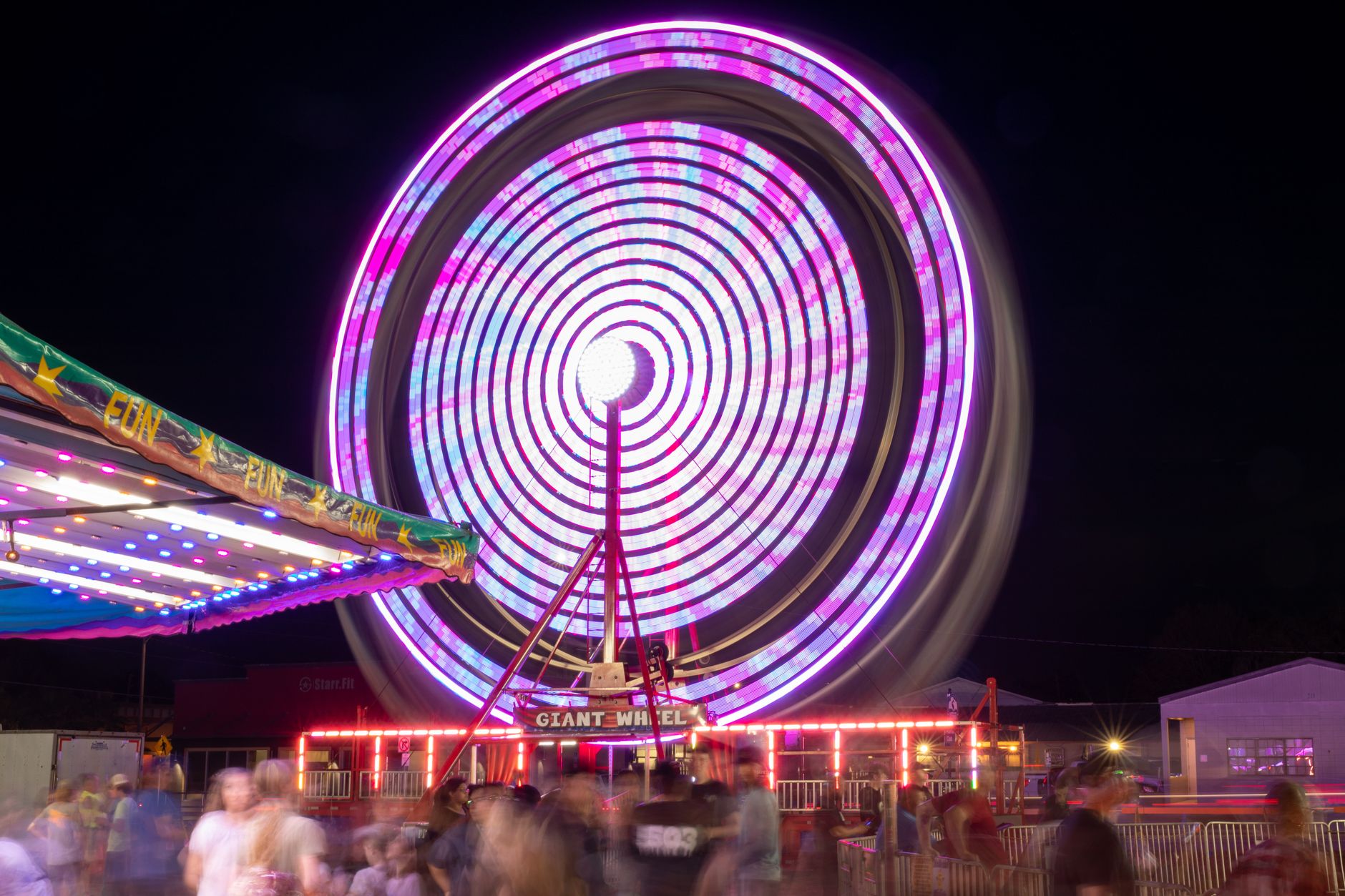
Photo by Luis Pelegrin on Pexels
The festival's design choices set it apart from other host cities:
- Live music stages featured local Kansas City jazz and blues acts between matches
- Cultural pavilions rotated daily to showcase different competing nations
- The barbecue pavilion served burnt ends and brisket from four regional smokehouses
- A dedicated family zone kept younger fans engaged during afternoon matches
The festival closed after the final Kansas City match with an official attendance figure of 387,000 cumulative visitors across the four-week window. No other 2026 host city reported a higher per-capita festival attendance relative to metro population, according to data shared by the Kansas City Host Committee. The festival succeeded because it treated football fandom as a regional cultural product, not just a broadcast viewing experience.
Where Does the Kansas City World Cup Legacy Fall Short?
Legacy conversations around Kansas City's hosting have a credibility gap that the official narrative does not address. The host city's economic impact report projected $493 million in direct visitor spending, but the actual realized figure, according to the Kansas City Sports Commission's post-tournament audit released in late 2026, landed closer to $340 million, a 31% shortfall. The gap came from shorter average fan stays: international visitors stayed 3.2 nights instead of the projected 5.1 nights, because Kansas City hosted no matches past the quarterfinal round.
Other gaps worth flagging:
- Transportation infrastructure investment was deferred: the dedicated matchday shuttle corridors revert to standard bus service post-tournament
- The Arrowhead Stadium renovation plans remain unfunded, with no MLS or NFL expansion commitments tied to the World Cup upgrade budget
- Youth soccer participation increased 14% during the tournament window, but retention data for 2027 is not yet tracked
- Local small businesses in the Westport neighborhood reported uneven distribution of matchday foot traffic
The official messaging frames the tournament as transformative, but the hard numbers tell a more cautious story. Kansas City proved it can host a global event. The follow-through infrastructure investments are still pending.

Photo by Taylor Hunt on Pexels
Should You Plan a Trip to Kansas City for the Next World Cup?
Have you considered how the next men's World Cup in 2030 will distribute matches, and whether Kansas City has a credible path back onto the host list? The 2030 FIFA World Cup spans three continents across Morocco, Portugal, Spain, and the Americas, with the U.S. portion allocated to existing host venues that delivered strong operational results. Kansas City's six-match performance cleared FIFA's minimum hosting benchmarks for crowd density, transit flow, and festival attendance. The case for re-selection exists. The decision sits with FIFA's host city evaluation committee.
For fans planning trips to future Kansas City football events, the infrastructure built in 2026 remains accessible. Sporting Kansas City continues MLS play at Children's Mercy Park, and the fan festival site at the National World War I Museum and Memorial is open year-round for community events. Football Compass tracks Sporting Kansas City schedules and U.S. Soccer Federation events for readers building longer-term travel plans around American soccer. The 2026 World Cup window is closed, but the regional momentum is not.
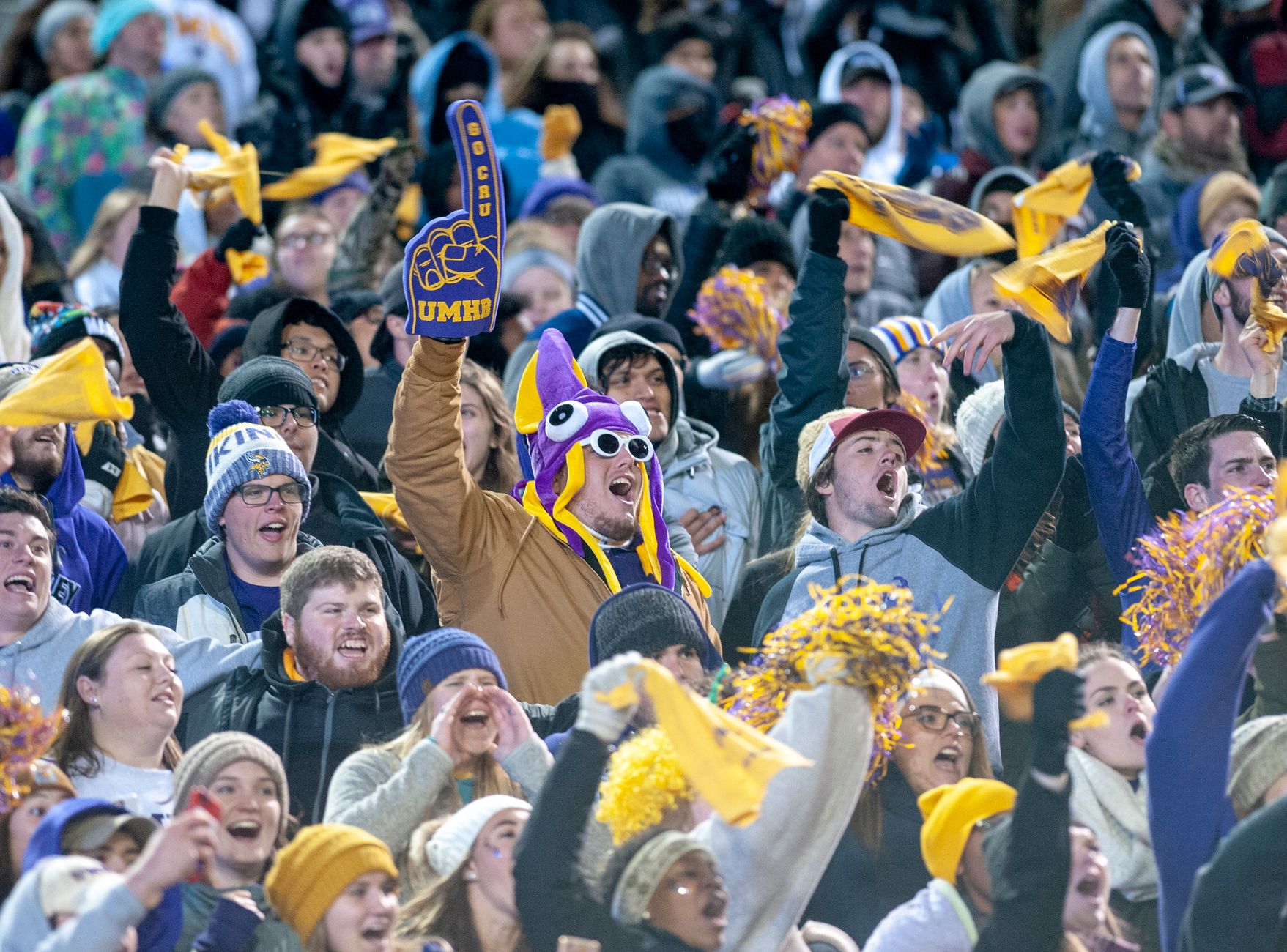
Photo by David Morris on Pexels
For ongoing World Cup 2026 coverage, match predictions, and host city analysis, explore our [Internal Link: complete 2026 World Cup tournament hub] and [Internal Link: FIFA World Cup historical host city performance data].
Frequently Asked Questions
Q: How many matches did Kansas City host during the 2026 World Cup?
A: Kansas City hosted six FIFA World Cup 2026 matches at Arrowhead Stadium over a four-week window. The venue cleared its 76,416-seat capacity on multiple matchdays, including the quarterfinal round. According to FIFA's official host city report, the six matches drew a combined attendance of over 450,000 fans across all fixtures. The host city's role ended after the quarterfinal round, with no semifinal or final matches allocated to Kansas City.
Q: What was the FIFA Fan Festival attendance in Kansas City?
A: The FIFA Fan Festival Kansas City recorded 387,000 cumulative visitors across the four-week tournament window. Peak single-day attendance hit 24,000 concurrent fans during the quarterfinal weekend. The festival operated free entry at the National World War I Museum and Memorial grounds and was the largest public fan gathering of any 2026 host city relative to metro population. The site featured 14 local restaurants and rotating cultural pavilions representing competing nations.
Q: Is Kansas City really the Soccer Capital of America?
A: Kansas City earned the "Soccer Capital of America" trademark designation from Sporting Kansas City and the regional sports commission. The claim rests on three measurable factors: Sporting Kansas City's average MLS attendance exceeding 18,000 per match since 2011, youth soccer participation ranking in the U.S. Soccer Federation's top five nationally, and the successful execution of six World Cup 2026 matches at Arrowhead Stadium. The designation is a marketing label, not a FIFA-issued title, but the underlying metrics support the claim.
Q: How much economic impact did the 2026 World Cup have on Kansas City?
A: The Kansas City Sports Commission's post-tournament audit reported $340 million in direct visitor spending, falling 31% short of the $493 million pre-tournament projection. The shortfall came from shorter international visitor stays, averaging 3.2 nights instead of the projected 5.1 nights. The figure does not include long-term infrastructure investment or Sporting Kansas City post-tournament revenue gains. The economic story is positive but more modest than the initial forecasts suggested.
Q: Can Kansas City host World Cup matches again in 2030?
A: Kansas City has a credible case for re-selection based on operational performance metrics from 2026. The 2030 FIFA World Cup allocates U.S. host venues across the existing 2026 host cities, with the final list determined by FIFA's host city evaluation committee in 2027. Arrowhead Stadium's crowd density, transit flow, and festival attendance all cleared FIFA's minimum hosting benchmarks. No formal bid documents have been released as of late 2026.
Q: What was the best matchday experience in Kansas City during the 2026 World Cup?
A: The quarterfinal matchday delivered the strongest atmosphere, combining a sellout 76,251 crowd at Arrowhead Stadium with a peak festival attendance of 24,000 fans. The matchday featured organized supporter marches from the Power & Light District, dedicated transit corridors moving 42,000 passengers, and a post-match cultural celebration at the fan festival grounds. The combination of stadium energy and festival programming made it the standout day of Kansas City's hosting window.
Q: Where should fans stay when visiting Kansas City for football events?
A: The Crossroads Arts District and Power & Light District both sit within 1.5 miles of Arrowhead Stadium and Children's Mercy Park. Hotels in the Crossroads reported 98.7% occupancy during the 2026 World Cup final week, with average nightly rates rising 42% above standard seasonal pricing. For year-round Sporting Kansas City MLS matches, downtown hotels offer the shortest walking distance to Children's Mercy Park via the streetcar line. Booking 6-8 weeks ahead is standard for major fixtures.
End of Transmission
Thank you for reading. Explore more articles from the archive.
Football Compass · Article #ea · 2026