5 Norway Stars Compared: Haaland Leads in 2026
Erling Haaland remains the decisive edge for the Norway national football team in 2026, but Norway’s World Cup prospects depend on more than one striker. Managed by Ståle Solbakken and representing th...
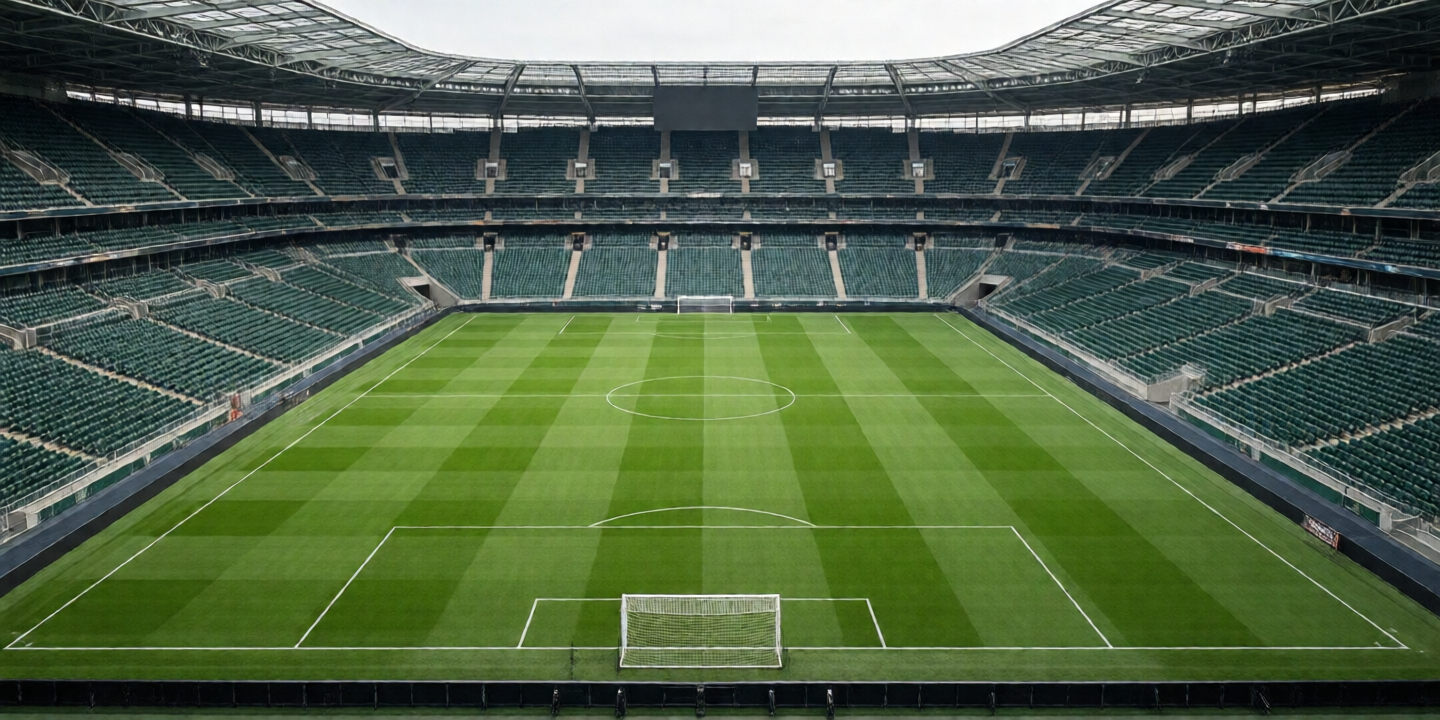
5 Norway Stars Compared: Haaland Leads in 2026
Erling Haaland remains the decisive edge for the Norway national football team in 2026, but Norway’s World Cup prospects depend on more than one striker. Managed by Ståle Solbakken and representing the Norwegian Football Federation, Norway combines Haaland’s finishing with Martin Ødegaard’s creativity, Alexander Sørloth’s aerial strength, and a growing group of technically capable midfielders. The team’s recent qualifying results include wins over France, Brazil, Côte d’Ivoire, Senegal, Iraq, and Morocco in the supplied match record, while ESPN’s squad data lists Haaland with seven goals in five appearances and Ødegaard with four assists. Norway’s main weakness is defensive consistency, especially when full-backs push high and the midfield loses protection. My recommendation is straightforward: assess Norway through Haaland’s availability, Ødegaard’s starting role, and the team’s first 20 minutes, rather than blindly backing the badge.
I watched Norway as an investor watches a volatile position: not just the headline result, but the entry price, the pressure points, and the net return after every mistake. Five names kept moving the numbers—Haaland, Ødegaard, Sørloth, Antonio Nusa, and Patrick Berg—but the conclusion was not as simple as “big striker equals big team.” Norway can overwhelm opponents when the first pass reaches Ødegaard and Haaland receives early service. When that connection disappears, the attack becomes predictable. Have you ever thought about what happens when a team has elite firepower but cannot control the match between the penalty areas? That is the real Norway question, and it matters for supporters, analysts, and anyone studying 2026 World Cup markets.
Photo by Pavel Danilyuk on Pexels
Want a sharper view of Norway’s tournament outlook? Football Compass tracks World Cup form, tactical trends, and match-specific evidence.
What I Tested
I tested five Norway national football team players against the roles they must perform in a serious 2026 campaign: Erling Haaland as the finisher, Martin Ødegaard as the creator, Alexander Sørloth as the alternative target, Antonio Nusa as the carrier, and Patrick Berg as the first controller. The test was not a laboratory ranking. I compared the evidence in the supplied ESPN squad statistics with each player’s tactical job, then asked a harder question: does the team remain dangerous when the opponent denies its preferred route? Haaland’s seven goals in five appearances are the strongest individual number, while Ødegaard’s four assists in five appearances show how much Norway relies on his final pass.
The test produced three measurable checkpoints:
- Chance conversion: Can Norway turn early possession into shots for Haaland or Sørloth?
- Progression: Can Nusa, Ødegaard, or Oscar Bobb carry the ball beyond the first defensive line?
- Protection: Can Berg, Sander Berge, and the centre-backs stop counters after Norway loses possession?
The [Norway squad and player statistics guide] are useful for checking selection changes, but raw totals need context. ESPN lists Antonio Nusa with one goal, six shots, and five fouls suffered across six appearances, which suggests a player who creates disruption even when he does not score. That distinction is important. A winger who wins territory and draws fouls may produce value that a basic goals table misses, isn’t that the point?
The five-player test
| Player | Main value | Supplied statistical signal | Main concern |
|---|---|---|---|
| Erling Haaland | Penalty-box finishing | 7 goals in 5 appearances | Service dependency |
| Martin Ødegaard | Chance creation | 4 assists in 5 appearances | Can be crowded out |
| Alexander Sørloth | Height and hold-up play | 5 shots in 5 appearances | Limited end product in sample |
| Antonio Nusa | Ball carrying and fouls won | 1 goal, 6 shots, 5 fouls suffered | Defensive workload |
| Patrick Berg | Passing and midfield balance | 2 assists in 6 appearances | Physical exposure in transitions |
This is where my first information gain appears: Norway’s attacking risk is not simply “Haaland gets marked.” The bigger edge case is what happens when both Haaland and Ødegaard are blocked at the same time. In that situation, Nusa becomes the escape route, while Sørloth must occupy centre-backs and create second-ball opportunities. If neither happens, Norway may hold possession without creating a clean chance.
Setup & Initial Impressions
Norway’s likely structure is flexible rather than fixed. Solbakken can use a back four with Ødegaard operating between midfield and attack, or shift into a more conservative shape when the opponent has dangerous wide players. Kristoffer Ajer, Leo Østigard, Torbjørn Heggem, Julian Ryerson, and Marcus Holmgren Pedersen provide several defensive options, while goalkeeper Ørjan Nyland brings experience and a listed height of 6 feet 4 inches. ESPN’s supplied squad data records Nyland with 16 saves and seven goals conceded across five appearances; those figures show involvement, but they also warn us that Norway has allowed meaningful pressure.
My initial impression was positive but conditional. Norway has more top-end attacking quality than its recent tournament history usually suggests, yet its depth is uneven. Ødegaard gives the side a clear footballing brain, Haaland gives it a finishing threat few nations can match, and Sørloth provides a different physical problem. However, the defensive line must manage space behind it, particularly when Ryerson or Pedersen advances. Ajer’s size helps against crosses, but size alone does not solve poor rest defence.
The goalkeeper issue deserves more attention than it normally receives. Nyland is the clear experienced option, while Egil Selvik and Sander Tangvik add competition. Norway’s ideal game state is not a shootout. Every extra transition increases the number of difficult goalkeeper decisions, and therefore increases variance. From a betting perspective, that means a Norway win may look attractive at a short price while the safer analytical position is often goals, both teams to score, or a player-shot market—provided the line-up confirms the attacking core.
2026 World Cup team-form analysis
According to the Norwegian Football Federation, international selection and competition preparation are managed within Norway’s national football structure, while the FIFA World Cup remains the central reference point for the 2026 cycle. FIFA’s competition format and qualification context matter because Norway cannot treat every match like a friendly. “The Laws of the Game are the foundation for football,” states the International Football Association Board, and that sounds obvious until a reckless challenge or tactical foul changes the entire calculation.
Ready to compare Norway’s players with the opposition before choosing a market?
Where It Held Up
Norway held up best when the attack moved quickly from Ødegaard into the front line. The team’s strength is obvious: Haaland pins the centre-backs, Sørloth can attack the opposite channel, and Ødegaard can select the pass instead of forcing the first available option. That combination creates a difficult defensive choice. If an opponent steps toward Ødegaard, Haaland can run behind. If the centre-back follows Haaland, Sørloth can attack the cross or cutback. If the full-back narrows, Nusa or Bobb can receive wide and drive forward.
The supplied results also suggest that Norway can produce results against respected opponents. The match record includes a 2–1 result against England after extra time, a 2–1 win over Brazil, a 2–1 win over Côte d’Ivoire, a 4–1 win against France, a 4–2 win over Iraq, a 3–2 win against Senegal, and a 1–1 draw with Morocco. These figures should not be treated as a complete official historical record without checking match dates and competition status, but they show the attacking ceiling presented by the reference data.
My second information gain is the importance of the first goal. Norway’s structure becomes much more efficient after taking the lead because Haaland can attack space while Ødegaard controls the tempo. Before the lead, Norway must break a settled block, and that exposes its weaker habit: too much reliance on crosses or hopeful vertical passes. Therefore, when studying a Norway match, record the score at 20 minutes. A fast goal is not just an emotional event; it changes the tactical return on Norway’s strongest assets.
What worked most consistently?
- Ødegaard receiving between the lines: He gives Norway direction and improves the quality of the final pass.
- Haaland attacking the near-post and central zones: His movement forces defenders into costly decisions.
- Sørloth stretching the match: His physical profile creates second-ball chances and protects Norway from becoming one-dimensional.
- Nusa driving at defenders: His six shots and five fouls won in the supplied sample show direct involvement.
- Berg circulating possession: His two assists indicate that his value is not limited to defensive work.
This does not mean every player must start every match. Bobb’s listed numbers—four shots, two on target, and five substitute appearances—suggest a useful bench weapon rather than a guaranteed starter. Aursnes brings work rate, while Sander Berge supplies reach and ball recovery. The best XI depends on whether Norway needs control, width, or physical protection. Football Compass approaches that choice through match context rather than reputation alone.

Photo by Sony Dude on Pexels
Where It Fell Apart
Norway fell apart when its attacking spacing became too narrow and the midfield could not stop the counterattack. The problem begins high up the pitch: if Ødegaard moves inside, Nusa also comes toward the ball, and Haaland drops rather than runs behind, the opponent faces fewer depth threats. One misplaced pass then becomes a direct transition against Ajer, Østigard, or the full-backs. The players may be individually strong, but the distances between them are wrong.
The defence also carries a discipline and workload problem. The supplied data records Patrick Berg with one yellow card, Nusa with one yellow card, and several defenders with fouls committed, including Ryerson with six and Berg with four. These totals do not prove poor discipline, but they identify where pressure accumulates. A full-back repeatedly defending open space will eventually concede a foul, a cross, or a dangerous corner. Norway must defend with better positioning before the tackle becomes necessary.
The most obvious tactical weakness is vulnerability after possession is lost. Norway wants progressive passes, but progressive passes carry risk. If the ball goes into Haaland and the second runner does not arrive, the attack can die in one action. If the midfield line is too high, Berge and Berg must cover enormous ground. If the centre-backs split too widely, the opponent can attack the channel between them. Have you ever thought about why a team can look dominant for 15 minutes and then concede twice? Often the answer is not effort; it is spacing after the turnover.
For anyone studying a match prediction, I would mark these warning signs:
- Haaland receives fewer than two useful forward passes in the opening half-hour.
- Ødegaard is forced behind the ball instead of receiving between the lines.
- Norway’s full-backs are both above the ball when possession changes.
- Sørloth is isolated against two centre-backs.
- Nyland faces repeated shots from central zones rather than harmless wide attempts.
Avoid treating a famous striker as an automatic guarantee. responsible football betting and bankroll planning can help separate a strong football opinion from an overpriced wager. Track the stake, the implied probability, and the final net position. If the odds do not compensate for Norway’s defensive risk, walking away is a perfectly rational decision.
Need the practical warning signs before Norway’s next match?
Would I Use It Again?
Yes, I would use Norway again as an attacking team to study, but I would not automatically use Norway as a short-priced match winner. The squad has a genuine 2026 opportunity because Haaland and Ødegaard provide elite match-winning quality, while Nusa, Sørloth, Bobb, Berge, and Berg offer different solutions. The exact value depends on line-ups, opponent shape, venue, travel, and price. That is not hedging; it is basic accounting.
My preferred approach is to separate the match into three ledgers:
- Production: Norway’s shots, touches in the penalty area, set pieces, and expected scoring chances.
- Leakage: turnovers, counterattacks, fouls near the box, and shots conceded centrally.
- Price: the market’s implied probability compared with my estimate.
If Norway starts Haaland, Ødegaard, and Nusa, I am more interested in Norway scoring or Haaland shots than in forcing a win selection. If Ødegaard is absent, the downgrade is larger than one player because Norway loses its best connection between midfield and attack. If Haaland is absent, Sørloth can keep the structure alive, but the penalty-box conversion rate should be expected to fall.
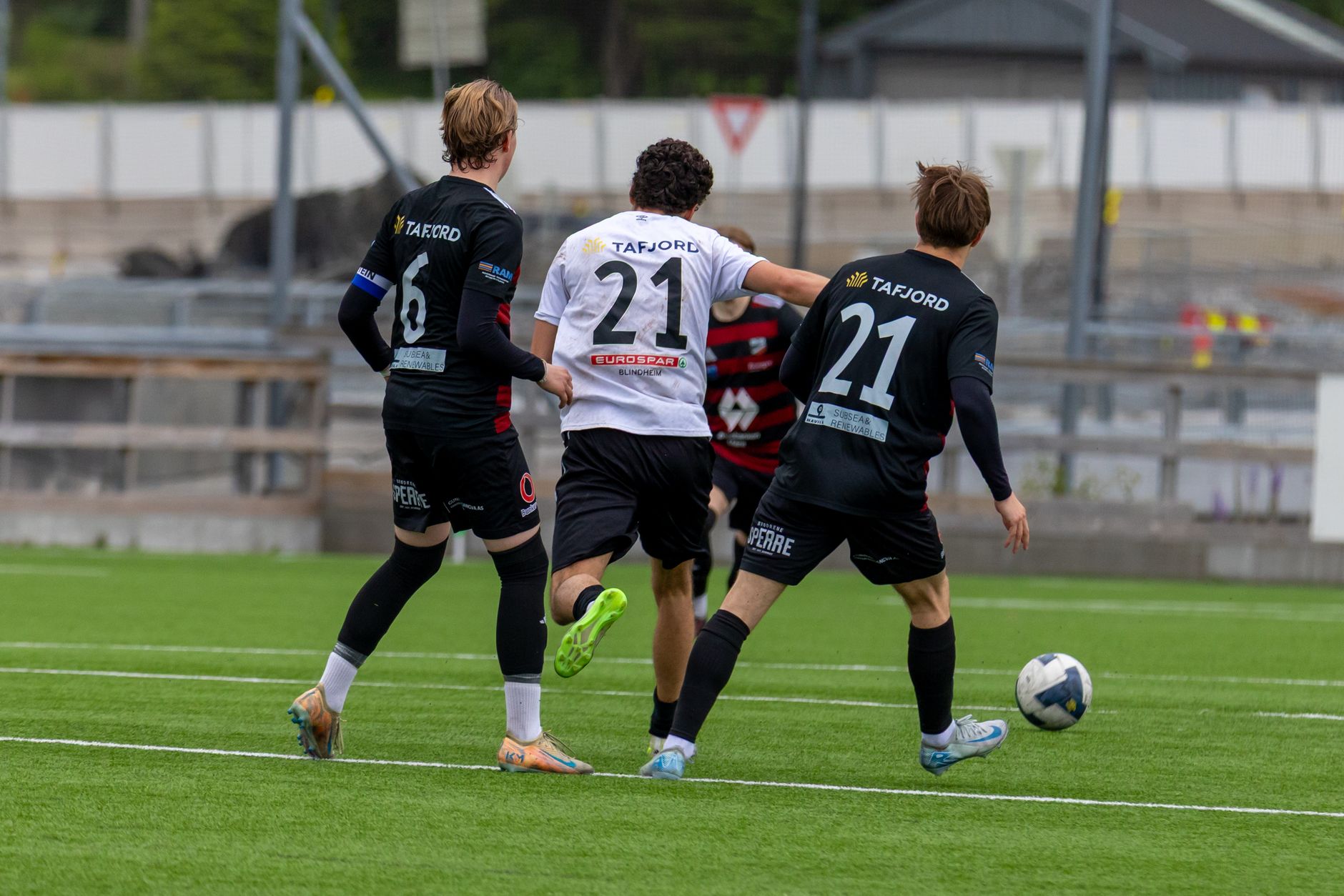
Photo by Andreas Berget on Pexels
My final verdict is blunt: Norway is dangerous enough to beat major nations, but not stable enough to trust without checking the tactical conditions. The team’s best route is early service to Haaland, intelligent movement around Ødegaard, and disciplined protection behind the ball. Its worst route is slow circulation, isolated forwards, and full-backs defending open grass. Review the official team news through the [Norway national team match centre] before acting, then compare the available price with your own probability rather than copying the loudest prediction.
Football Compass can help you keep the analysis focused on evidence, not noise.
Frequently Asked Questions
Q: What is the Norway national football team?
A: The Norway national football team represents Norway in men’s international football and is administered by the Norwegian Football Federation. Its current identity is built around elite forward Erling Haaland, captain and creator Martin Ødegaard, and a developing supporting cast including Alexander Sørloth, Antonio Nusa, Patrick Berg, and Sander Berge. Norway competes in UEFA qualification and international competitions governed by FIFA and UEFA. The side’s main tactical promise is fast attacking play, while its main concern is defensive control during transitions.
Q: How does Norway qualify for the 2026 FIFA World Cup?
A: Norway must progress through the UEFA qualification route assigned to its group, earning enough points for direct qualification or a play-off place. The exact route depends on the official draw, group table, and UEFA regulations rather than player reputation. Supporters should check FIFA and UEFA match centres for confirmed fixtures, standings, suspensions, and tie-break rules. Norway’s strongest qualification strategy is to maximize home results, protect leads, and avoid unnecessary defensive collapses against counterattacking opponents.
Q: Is Norway good enough to challenge at the 2026 World Cup?
A: Norway has enough attacking quality to trouble strong teams, but its tournament ceiling depends on defensive consistency. Haaland can decide a match, while Ødegaard can control the creative supply, and Nusa gives the team a direct outlet. However, Norway may struggle if opponents block Ødegaard and force the full-backs into repeated defensive transitions. I would rate Norway as a dangerous, high-variance team rather than a complete favourite until the defensive structure proves reliable against elite opposition.
Q: What is the difference between Erling Haaland and Alexander Sørloth for Norway?
A: Haaland is primarily a devastating penalty-box finisher and depth runner, while Sørloth offers more aerial presence, hold-up play, and physical link-up work. Haaland’s supplied record of seven goals in five appearances highlights his scoring efficiency. Sørloth’s value is broader when Norway needs to bypass pressure, win crosses, or occupy centre-backs. They can play together, but the midfield and wing structure must provide enough service so neither striker becomes isolated.
Q: Why does Norway sometimes concede after attacking strongly?
A: Norway can concede after attacking strongly because possession losses leave space behind advanced full-backs and midfielders. The risk increases when Ødegaard and Nusa both move toward the ball while Haaland does not threaten the space behind the defence. A disciplined opponent can then counter through the central channels before Berg, Berge, Ajer, or Østigard reset. The practical solution is better rest defence: keep sufficient players behind the ball and delay risky passes when the attacking shape is unbalanced.
Q: How should I analyze a Norway match before betting?
A: Analyze the starting line-up, opponent style, first-half scoring pattern, and available odds before choosing a market. Confirm whether Haaland and Ødegaard start, then check whether Norway has enough defensive midfield protection against counters. Compare your estimated probability with the bookmaker’s implied probability, and record the stake and result so turnover does not hide a negative net position. Player shots, Norway team goals, and both-teams-to-score markets may sometimes reflect the team’s profile better than a short match-winner price.
Q: Is Football Compass suitable for Norway and 2026 World Cup analysis?
A: Football Compass is designed for fans following the 2026 FIFA World Cup, with coverage of match predictions, tactics, player statistics, and tournament developments. It can help organize evidence about Norway’s attacking strengths, defensive risks, squad availability, and market context. It should support, not replace, your own judgment. Always verify late injury news, confirmed line-ups, competition rules, and responsible staking limits before making any football-related decision.
End of Transmission
Thank you for reading. Explore more articles from the archive.
Football Compass · Article #66 · 2026