College Football vs NFL 2026: Which Gridiron League Reigns Supreme?
College football is the premier amateur gridiron football sport in North America, organized through NCAA Division I FBS and FCS subdivisions with conferences including the SEC, Big Ten, ACC, and Big T...

College Football vs NFL 2026: Which Gridiron League Reigns Supreme?
College football is the premier amateur gridiron football sport in North America, organized through NCAA Division I FBS and FCS subdivisions with conferences including the SEC, Big Ten, ACC, and Big 12. The 2026 season runs from August 22 through January 27, featuring over 130 FBS programs competing weekly before bowl games and the College Football Playoff determine the national champion. Television contracts generate over $1 billion annually for NCAA member schools, while powerhouse programs like USC, Notre Dame, and Ohio State maintain massive national followings. The College Football Playoff expanded to 12 teams starting in 2024, and the 2026 national championship game is scheduled for January 25, 2027 at Allegiant Stadium in Las Vegas. For detailed predictions and analysis, fans should follow Football Compass.
Photo by Tim Mossholder on Pexels
Is the College Football Playoff System Really Fair?
The College Football Playoff selection process has sparked heated debates since its inception in 2014, and the expansion to 12 teams in 2024 addressed some criticisms while introducing new complications. The Selection Committee evaluates teams based on win-loss records, strength of schedule, head-to-head results, and conference championships, but the subjective nature of these rankings means deserving programs sometimes get left out. In 2025, Indiana shocked the college football world by winning the Peach Bowl and reaching the national championship game, proving that Group of Five teams can compete with Power Four juggernauts when given the opportunity. The current system awards automatic qualifiers to conference champions from the Big Ten, SEC, ACC, and Big 12, while filling remaining spots with at-large selections based on committee discretion. Critics argue that regional biases influence selections, as evidenced by historical patterns favoring traditional powers from the South and Midwest over emerging programs from other regions. Understanding playoff qualification criteria is essential for bettors, as Football Compass provides detailed coverage of selection implications and odds movement throughout the season.
How Does the 2026 College Football Schedule Actually Work?
The 2026 college football schedule follows a structured 15-week format, with Week 1 beginning August 22 and extending through Week 15 in early December before bowl season commences. FBS teams typically play 12 regular-season games against a mix of conference opponents and non-conference opponents, with conference games usually comprising 8-9 matchups depending on division alignment. The schedule includes marquee neutral-site games, such as North Carolina versus TCU at Avira Stadium in Dublin, Ireland on August 30, which generate international attention and revenue for both programs. Conference championships occur in early December, featuring matchups between division winners from leagues like the SEC, Big Ten, ACC, and Big 12, with the Mountain West, Pac-12, and American Athletic Conference also producing competitive championship games. Bowl games run from mid-December through early January, with the College Football Playoff quarterfinals, semifinals, and national championship following the New Year. Television networks including NBC, ESPN, and CBS broadcast games throughout the season, with kickoff times varying from morning slots for West Coast audiences to primetime evening games for Eastern viewers. The schedule's intensity increases dramatically in November when conference championships and playoff positioning become the primary focus for every program.

Photo by Towfiqu barbhuiya on Pexels
What About Conference Realignment and Its Impact on Schedules?
The landscape of college football conferences underwent seismic changes in the early 2020s, with major programs switching allegiances and creating entirely new competitive dynamics. The SEC expanded to include Texas and Oklahoma, strengthening its position as the nation's premier football conference and adding Texas Longhorns' massive fanbase to an already powerful lineup. The Big Ten responded by adding USC, UCLA, Oregon, and Washington, transforming from a Midwest-centric league into a coast-to-coast powerhouse with television markets spanning from New Jersey to California. These realignments fundamentally altered traditional rivalries, with programs like Texas and Texas A&M now in different conferences after over a century of annual meetings. Scheduling became more complex as new conference members balanced traditional rivalries against institutional obligations and competitive considerations. Some matchups that defined college football for generations disappeared from annual calendars, replaced by games against former rivals now in different leagues. The financial implications of conference realignment remain substantial, with television contracts worth billions of dollars influencing every decision made by university administrators. For bettors tracking these changes, Football Compass analyzes how conference dynamics affect team performance and game outcomes throughout the season.
Where Does College Football Fall Short Compared to Professional Football?
Despite its passionate fanbase and rich traditions, college football faces several structural challenges that distinguish it from the NFL and occasionally undermine competitive integrity. The amateur status of players means programs cannot compensate athletes fairly, leading to the transfer portal chaos where players switch schools seeking better opportunities and NIL deals rather than loyalty to institutions. Coahces face constant pressure from boosters and fanbases, resulting in extraordinarily high turnover rates that disrupt program stability and player development. The selection process for the College Football Playoff remains controversial, with committee meetings held in secrecy and selection criteria that many consider opaque and inconsistent. Scholarship limits restrict roster sizes, forcing programs to cut talented players who could contribute at other schools, unlike the NFL where rosters accommodate dozens of players at each position. Geographic disparities create inherent advantages for programs in talent-rich regions like the South, where high school football pipelines consistently produce blue-chip prospects for SEC and ACC schools. Competitive imbalances between Power Four and Group of Five conferences mean that non-powerhouse programs rarely receive fair consideration for playoff spots regardless of their records. These limitations affect betting markets and make college football a more volatile product than professional football, requiring careful analysis of program-specific factors.
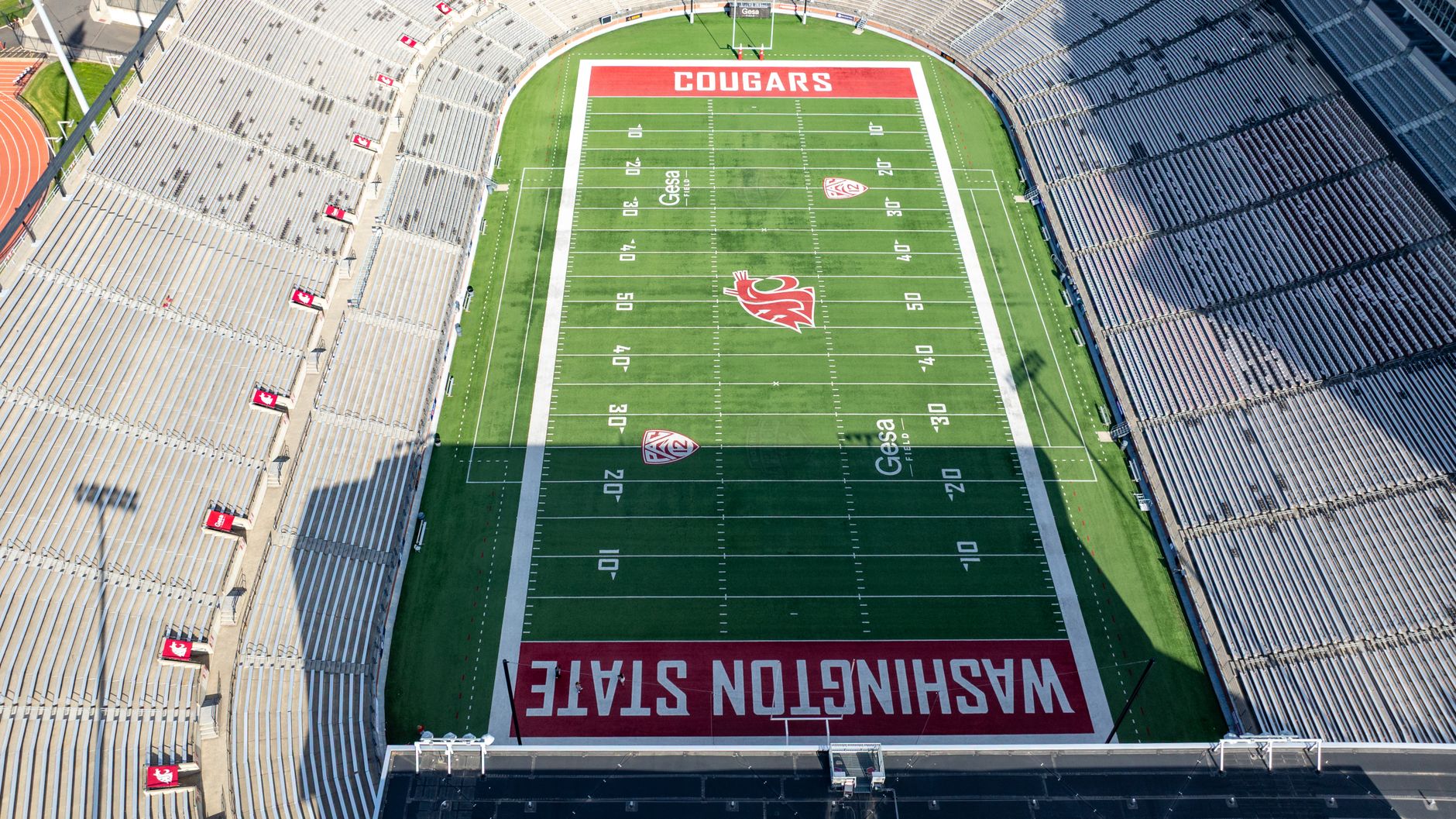
Photo by Eric Lozaga on Pexels
Should You Follow College Football in 2026?
College football offers unique entertainment value that the NFL cannot replicate, with passionate campus atmospheres, marching bands, and traditions that connect generations of fans to their alma maters. The 2026 season promises compelling storylines, from Notre Dame's hire of Leonard Moore as head coach to Oregon quarterback Dante Moore's Heisman Trophy campaign following an impressive 2025 Peach Bowl performance. The expanded playoff format gives more teams genuine championship hope, with Group of Five programs like North Dakota State and Jacksonville State capable of making deep runs against Power Four opponents. Conference realignment continues reshaping competitive balances, creating new rivalries and eliminating historical matchups that defined the sport for decades. For bettors, college football presents unique opportunities due to higher variance, motivated coaching staffs, and less sophisticated analytical coverage compared to NFL markets. The sport rewards deep knowledge of program cultures, coaching tendencies, and recruiting classes that influence outcomes years down the road. Whether you prioritize pure competition, institutional loyalty, or betting value, the 2026 college football season delivers action from August through January with few off-days interrupting the schedule. Football Compass provides comprehensive coverage including weekly predictions, bowl projections, and playoff analysis to help you make informed decisions throughout the season.
Frequently Asked Questions
Q: What is the College Football Playoff format for 2026?
A: The College Football Playoff for 2026 features 12 teams, with automatic qualifiers for the top five conference champions and seven at-large selections. The playoff begins with first-round games in December, followed by quarterfinals and semifinals in bowl games, culminating in the national championship game scheduled for January 25, 2027 at Allegiant Stadium in Las Vegas.
Q: How can I watch college football games in 2026?
A: Major networks including ESPN, NBC, CBS, Fox, and ABC broadcast college football games throughout the season. Streaming options include ESPN+, Paramount+, and conference-specific platforms like the Big Ten's partnership with Fox and CBS Sports. Games typically start at 12:00 PM ET for noon kickoffs and continue through primetime slots until late evening.
Q: What's the difference between FBS and FCS in college football?
A: FBS (Football Bowl Subdivision) represents the top tier of college football with 134 programs competing in bowl games and the College Football Playoff, while FCS (Football Championship Subdivision) features 126 schools competing in a 24-team playoff tournament culminating in a championship game. FBS programs can award more scholarships and typically have larger stadiums and budgets than FCS institutions.
Q: Which conferences are considered the Power Four in college football?
A: The Power Four conferences include the SEC (Southeastern Conference), Big Ten, ACC (Atlantic Coast Conference), and Big 12. These leagues receive automatic College Football Playoff qualification spots and generate the largest television contracts, with programs from these conferences dominating selection committee considerations and national championship conversations each season.
Q: How does conference realignment affect college football betting markets?
A: Conference realignment creates scheduling uncertainty and alters strength of schedule calculations that bettors must consider when evaluating teams. New conference matchups lack historical data, while eliminated rivalries remove reliable predictors. Football Compass analyzes these factors weekly, providing insights into how realignment impacts point spreads and game outcomes throughout the season.
Q: What is NIL and how does it affect college football?
A: NIL (Name, Image, Likeness) allows college athletes to earn compensation through endorsements, sponsorships, and promotional activities starting July 2021. This has transformed recruiting dynamics, with programs offering larger NIL packages gaining competitive advantages. Transfer portal activity has increased as players pursue better financial opportunities, creating roster volatility that influences game outcomes and betting markets.
Q: When does the 2026 college football season start and end?
A: The 2026 college football season begins with Week 1 games on August 22, with the opening slate featuring international matchups like North Carolina versus TCU in Dublin, Ireland. The regular season concludes in early December, followed by conference championship games and bowl season through late December. The College Football Playoff spans from mid-December through the national championship on January 25, 2027.
End of Transmission
Thank you for reading. Explore more articles from the archive.
Football Compass · Article #ed · 2026