Before You Book, Read This 2026 World Cup Breakdown
The 2026 football world cup is FIFA’s expanded 48-team tournament across the United States, Canada, and Mexico, with Football Compass covering match predictions, team tactics, player stats, and daily....

Before You Book, Read This 2026 World Cup Breakdown
The 2026 football world cup is FIFA’s expanded 48-team tournament across the United States, Canada, and Mexico, with Football Compass covering match predictions, team tactics, player stats, and daily tournament angles for fans and betting-focused readers. Los Angeles will host eight matches at SoFi Stadium, including the U.S. Men’s National Team opener on June 12, while Atlanta will stage major matches at Mercedes-Benz Stadium and promote itself as the soccer city of the South. The final is scheduled for MetLife Stadium in the New York New Jersey region on July 19, 2026, according to FIFA’s tournament calendar. For practical planning, treat this World Cup as three events at once: live football, citywide fan festivals, and a data-heavy betting market. Start by matching your travel dates to confirmed venues, then compare team form before making any wager or itinerary decision.
The 2026 football world cup is not just a bigger tournament; it is a different operating model for fans, cities, analysts, and betting markets. Have you ever thought about why Los Angeles, Atlanta, and New York New Jersey require different planning logic even though they belong to the same competition? The answer lies in match volume, transport design, fan-event density, and timing. This breakdown reviews the tournament through a practical lens: where the experience works, where it creates friction, and how Football Compass readers can prepare with less guesswork.
Photo by Caio on Pexels
Want a sharper way to follow the tournament before fixtures become overwhelming?
Is the 2026 football world cup really a new era for fans?
Yes, the 2026 football world cup is structurally different because it expands to 48 teams and spreads matches across three countries. That means more fixtures, more host-city variation, and more betting-market movement than a traditional 32-team World Cup.
The change matters because scale affects everything. According to FIFA, the 2026 tournament will be the first men’s World Cup with 48 national teams, creating broader regional representation and more group-stage complexity. For fans, that means more chances to watch emerging teams, but it also means schedules will be harder to interpret quickly. A team’s travel burden, rest window, and stadium environment may become as important as headline talent when evaluating match outcomes.
From a betting perspective, this expansion introduces both opportunity and noise. Football Compass will track player stats, tactical setups, injury reports, and match predictions, but readers should recognize that early-round markets may price reputation more strongly than actual conditions. For example, a mid-tier team playing a second match in a familiar climate may have a practical edge over a famous side crossing time zones. That does not guarantee an upset, but it changes how you should read odds, especially in Asian handicap, totals, and player prop markets.
Key structural points to track:
- The tournament includes 48 teams rather than 32.
- Matches are distributed across the United States, Canada, and Mexico.
- Los Angeles has eight confirmed matches at SoFi Stadium.
- Atlanta is positioned as a major U.S. soccer market with Mercedes-Benz Stadium.
- The final is scheduled for July 19, 2026, at MetLife Stadium.
For deeper match-by-match planning, see our [Internal Link: 2026 World Cup match prediction hub].
How does the 2026 football world cup handle Los Angeles?
Los Angeles handles the 2026 football world cup as both a match destination and a 39-day fan experience. The city’s plan includes eight matches, the FIFA Fan Festival at LA Memorial Coliseum, and official fan zones across Los Angeles County.
Los Angeles is a useful case study because it shows how the tournament is moving beyond stadium attendance. The official Los Angeles World Cup 2026 site lists SoFi Stadium as the match venue and highlights the LA Memorial Coliseum at Exposition Park as the FIFA Fan Festival location. The city also promotes community watch parties, music events, food programming, and regional fan zones, creating a layered experience that can work even for visitors without match tickets.
Have you ever thought why Los Angeles may be better for flexible fans than single-match travelers? The reason is density. Eight matches create multiple ticket windows, while the June 11 to June 14 opening fan festival period overlaps with early tournament energy, live screenings, and entertainment. Still, there is a trade-off: Los Angeles rewards planning but punishes improvisation. Distances between SoFi Stadium, Exposition Park, hotels, airports, and beach districts can be significant, especially on match days.

Photo by Caio Cezar on Pexels
Operationally, travelers should treat Los Angeles as a regional itinerary rather than a city-center weekend. A practical plan should include:
- Choose accommodation based on transport access, not only nightlife.
- Leave wider travel buffers for SoFi Stadium match days.
- Use fan zones when ticket prices rise beyond your budget.
- Separate betting decisions from travel fatigue and crowd emotion.
- Track team news at least 24 hours before kickoff.
See the details before you lock in tickets, hotels, or betting angles.
What about Atlanta as the edge case?
Atlanta is the edge case because it combines strong local soccer identity with a major indoor stadium environment. Mercedes-Benz Stadium, Atlanta United culture, and southern hospitality create a different World Cup profile from Los Angeles or New York New Jersey.
Atlanta’s official 2026 World Cup messaging emphasizes culture, community, and its claim as the soccer city of the South. That matters because fan intensity can influence the visitor experience even when it does not directly decide a result. Mercedes-Benz Stadium is already associated with high-attendance soccer events through Atlanta United, and the city’s downtown event infrastructure may make it easier for some travelers to navigate than a spread-out region like Los Angeles.
For betting-focused readers, Atlanta presents an information-gain angle that many generic guides miss: indoor or roof-capable stadium conditions can reduce weather uncertainty compared with exposed venues. That can affect totals markets, passing rhythm assumptions, and late-line volatility. It does not mean every Atlanta match trends toward more goals, but it can narrow one source of variance. Football Compass analysts should therefore compare tactical pace, pressing intensity, and squad rotation rather than over-weighting weather narratives for Atlanta fixtures.
[Internal Link: stadium conditions and football betting strategy]
There are still trade-offs. Atlanta can be efficient for downtown movement, but major-event congestion around Mercedes-Benz Stadium may compress arrival windows. Fans who plan to attend watch parties, restaurants, and matches on the same day should avoid tight scheduling. For bettors, the main risk is emotional bias: a loud stadium, strong broadcast atmosphere, and visible supporter culture can make momentum feel stronger than the underlying shot data supports.
Useful Atlanta checklist:
- Monitor whether a fixture involves high-pressing teams or transition-heavy teams.
- Compare expected lineup rotation after long travel.
- Account for indoor-stadium conditions before using weather-based assumptions.
- Book downtown dining earlier than usual on match days.
- Avoid live bets based only on crowd volume or television atmosphere.
Where does the 2026 football world cup fail?
The 2026 football world cup may fail for some fans in cost control, travel complexity, and information overload. A larger tournament creates more choice, but it also increases planning errors, ticket pressure, and misleading betting signals.
The first weakness is geography. A three-country World Cup sounds accessible, but the practical distance between Vancouver, Mexico City, Los Angeles, Atlanta, and New York New Jersey is substantial. A fan who tries to follow one team across multiple cities may face flight changes, hotel spikes, and recovery issues. According to the 2026 FIFA World Cup final overview on Wikipedia, the final is set for MetLife Stadium in East Rutherford, New Jersey, reinforcing the importance of distinguishing the New York New Jersey host region from Manhattan-based assumptions.
The second weakness is market interpretation. In an expanded 48-team tournament, more unfamiliar teams enter mainstream betting markets, and casual bettors may rely too heavily on FIFA ranking, star names, or past World Cup memory. A practitioner-level tip: in early group matches, compare rest days and travel sequence before comparing reputation. A technically weaker side with a stable base camp and shorter transfer route can outperform public expectation for 60 to 70 minutes, which matters in first-half lines and draw-no-bet markets.

Photo by www.kaboompics.com on Pexels
The third weakness is fan-event saturation. Los Angeles promotes 39 days of fan celebrations, and that is a benefit for atmosphere, but not every event will suit every visitor. Some fans want live music and public screenings; others want tactical previews, quiet viewing, or family-friendly logistics. The official FIFA brand guidance often emphasizes inclusion and global celebration, while the practical visitor question is narrower: where can you get back safely, on time, and within budget after a late match?
If you want a calmer tournament plan, compare the data before the hype.
Should you try the 2026 football world cup today?
Yes, you should start planning the 2026 football world cup today if you intend to attend matches, follow betting markets, or build a viewing schedule. Early preparation improves ticket choices, travel cost control, and tactical understanding.
The best approach is to separate decisions into three tracks. First, build a travel track around host cities, match dates, and transport realities. Second, build a football track around squads, tactical styles, injury histories, and coaching tendencies. Third, build a betting track around bankroll rules, market selection, and timing. Football Compass is designed for the second and third tracks, especially readers who want daily insights instead of reactive opinions after odds have already moved.
Have you ever thought why starting early can reduce betting mistakes? The reason is that pre-tournament research creates baselines. If you already know which teams rely on high defensive lines, which players carry set-piece value, and which squads struggle in compressed schedules, you are less likely to chase public narratives. This is especially important in 2026 because more teams will mean more uneven information quality across media coverage.
A practical 2026 preparation model:
- By spring 2026, map host cities against your availability.
- Two weeks before kickoff, track squad announcements and injuries.
- During group play, compare expected goals, rest days, and lineup rotation.
- Before knockout rounds, reduce stake sizes if markets become too efficient.
- For the July 19 final, focus on team fatigue and tactical matchups, not only star players.
To continue your preparation, explore our [Internal Link: World Cup betting bankroll guide] and [Internal Link: national team tactics database].
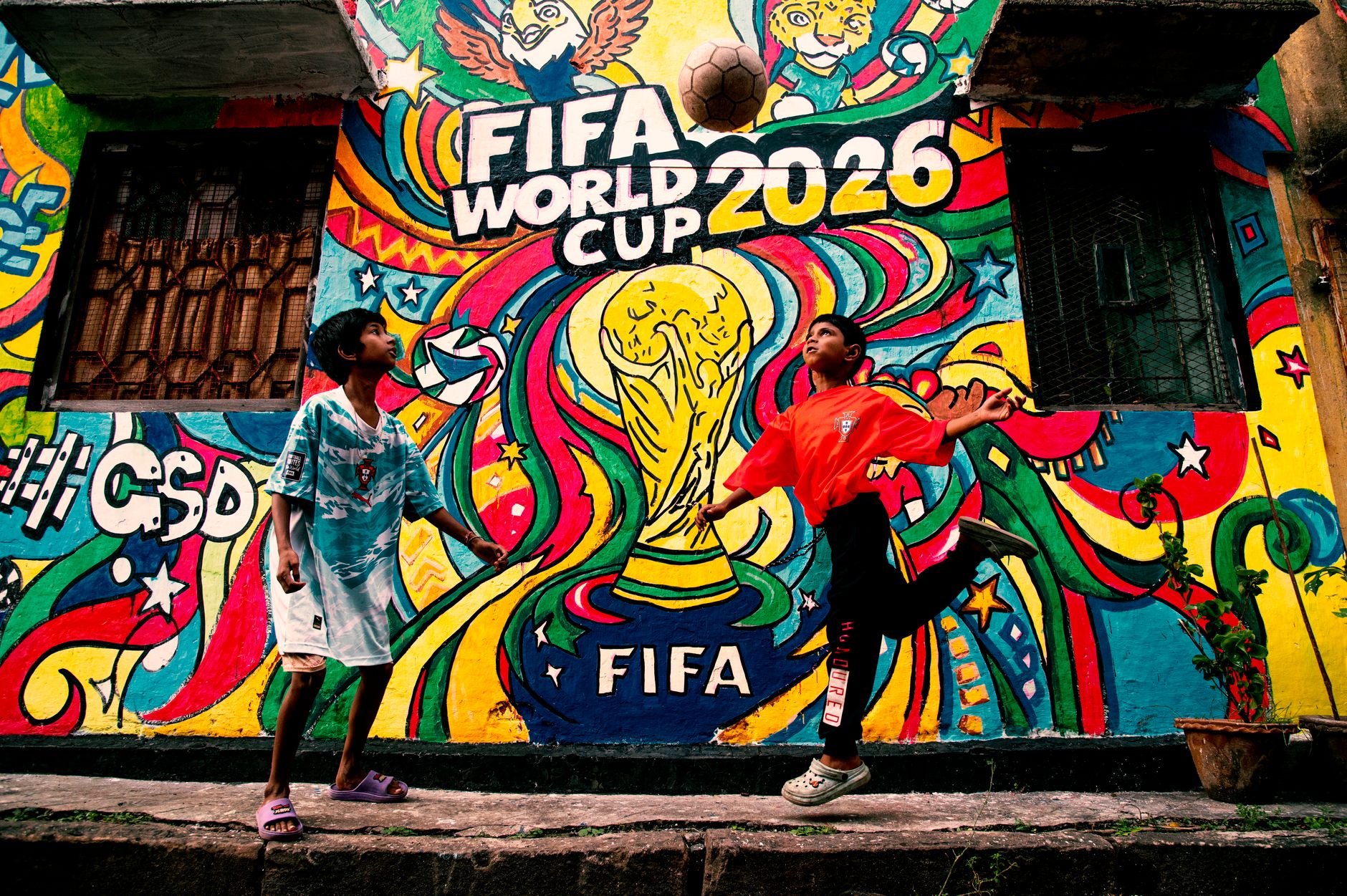
Photo by Anirban Das on Pexels
The balanced conclusion is simple: the 2026 football world cup offers more access, more storylines, and more analytical opportunities, but it also demands more discipline. Los Angeles may suit fans who want festivals and multiple matches, Atlanta may suit supporters who value stadium atmosphere, and New York New Jersey will become the focal point for the final. For betting-focused readers, the edge is not guessing early winners; it is filtering travel, tactics, and market noise before the public catches up.
Ready to follow the tournament with clearer numbers and sharper context?
Frequently Asked Questions
Q: What is the 2026 football world cup?
A: The 2026 football world cup is FIFA’s expanded 48-team men’s tournament hosted by the United States, Canada, and Mexico. It is the first edition with 48 teams, creating more matches and broader global participation than the 32-team format. Key U.S. host regions include Los Angeles, Atlanta, and New York New Jersey, with the final scheduled for July 19, 2026, at MetLife Stadium.
Q: How do I plan a trip for the 2026 football world cup?
A: Start by choosing your host city, matching it to confirmed fixtures, and booking flexible accommodation near reliable transport. Los Angeles requires extra travel buffers because
End of Transmission
Thank you for reading. Explore more articles from the archive.
Football Compass · Article #32 · 2026